SHORESIDE: Without The Couch
The SHORESIDE: Without The Couch Podcast is where therapy stops sounding clinical and starts making sense.
Hosted by a therapist, practice owner, and late-diagnosed ADHD woman in midlife, this podcast dives into emotional regulation, relationships, burnout, boundaries, and identity shifts—without the couch, the clipboard, or the pressure to have it all figured out.
This is wellness that talks with you, not at you.
Listen on:









Episodes
Friday Feb 16, 2024
Friday Feb 16, 2024
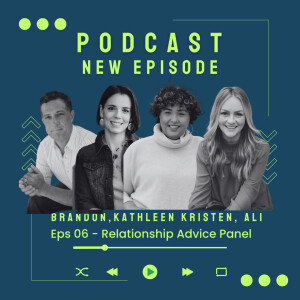
Join our Newsletter Join our WWP Facebook group Free Workshops and WorksheetsIn this episode of the Wisconsin Wellness Podcast, the host Laurie Groh, MS, LPC, SAS, and guests from Shoreside Therapies, Brandon Wells, MS, LPC; Kathleen Mack, MSW, LCSW; Kristen Holmes, MS, LPC; Ali Devine, MS, LPC, discuss various relationship issues. They cover signs of an abusive relationship, the challenges of leaving unhealthy relationships, and the importance of prioritizing health and safety, especially during pregnancy. They also explore feelings of resentment in a relationship where one partner is unemployed and offer strategies for managing those emotions. The conversation concludes with a discussion on confronting infidelity and considering next steps in the relationship. Guests from Shoreside Therapies🎙️ Brandon Wells, MS, LPC🎙️ Kathleen Mack MSW, LCSW🎙️ Kristen Holmes, MS, LPC🎙️ Ali Devine, MS, LPCTakeawaysRecognize the signs of an abusive relationship, such as on-and-off temperament and cycles of abusive behavior.It is common for individuals to stay in unhealthy relationships for longer than necessary due to fear, uncertainty, and a fear of abandonment.Prioritize health and safety, especially during pregnancy, and seek support in developing an exit plan from an abusive relationship.Feelings of resentment in a relationship where one partner is unemployed are normal, but it is important to communicate needs and set boundaries.Explore underlying emotions and seek individual support to process complex feelings and make informed decisions about the relationship.Chapters00:00 Introduction and Guest Introductions01:30 Topic: Relationships03:02 Chapter 1: Signs of an Abusive Relationship04:55 Chapter 2: Staying in Unhealthy Relationships06:40 Chapter 3: Fear and Abandonment in Leaving07:56 Chapter 4: Prioritizing Health and Safety in Pregnancy10:21 Chapter 5: Resentment in Unemployment11:49 Chapter 6: Exploring Underlying Emotions13:47 Chapter 7: Managing Resentment and Jealousy18:31 Chapter 8: Confronting Infidelity21:42 Chapter 9: Considering Next Steps23:35 Conclusion and FarewellThis episode is brought to you by:OMGyes Get your unlimited lifetime access to this groundbreaking material at the best prices available.GET YOUR UNLIMITED ACCESS TODAY!Shoreside Therapies: Shoreside Therapies offers compassionate, client-focused counseling for individuals, couples, and families. With expertise in mood disorders, life transitions, grief, trauma, and maternal mental health, their dedicated therapists provide a safe space to support your journey toward meaningful change and personal growth.Book a free 15-minute consultation online and get into therapy within a week! Laurie's Top 5 Recommended Books on Relationships: Attached The Seven Principles for Making Marriage Work The New Rules of Marriage Getting the Love You Want: A Guide for Couples Hold Me Tight: Seven Conversations for a Lifetime of Love National Domestic Violence Hotline Hours: 24/7. Languages: English, Spanish and more Learn more 800-799-7233
Friday Feb 09, 2024
Friday Feb 09, 2024
Join our Newsletter Join our WWP Facebook group Free Workshops and WorksheetsIn this episode, Laurie Groh, MS, LPC, SAS, discusses relationships and the importance of understanding our reactivity and defense mechanisms. She explains that people don't change for others and that therapy is not about changing your partner but about improving yourself. Laurie introduces five defense mechanisms: Lion (aggression)Peacock (self-preservation)Elephant (control)Turtle (withdrawal)Raccoon (manipulation)She provides action items for self-reflection, communication, and practicing empathy. Laurie also emphasizes the significance of seeking professional support and attending workshops to improve relationships.TakeawaysTherapy is not about changing your partner, but about improving yourself.Understanding your own reactivity and defense mechanisms is crucial in relationships.The five defense mechanisms in relationships are Lion (aggression), Peacock (self-preservation), Elephant (control), Turtle (withdrawal), and Raccoon (manipulation).Practicing self-reflection, open communication, empathy, and the mindful pause technique can help improve relationships.Seeking professional support and attending Workshops can be beneficial for relationship growth.Chapters00:00 Introduction to Relationships03:18 Understanding Reactivity in Relationships05:14 Defense Mechanism: Lion07:35 Defense Mechanism: Peacock09:02 Defense Mechanism: Elephant09:54 Defense Mechanism: Turtle10:48 Defense Mechanism: Raccoon12:16 Action Items: Self-Reflection and Communication14:16 Adolescent Reactions and Mindful Pause Practice18:28 Seeking Professional Support and WorkshopsThis episode is brought to you by:OMGyes: Get your unlimited lifetime access to this groundbreaking material at the best prices available.GET YOUR UNLIMITED ACCESS TODAY!Shoreside Therapies: Shoreside Therapies offers compassionate, client-focused counseling for individuals, couples, and families. With expertise in mood disorders, life transitions, grief, trauma, and maternal mental health, their dedicated therapists provide a safe space to support your journey toward meaningful change and personal growth.Laurie's Top 5 Recommended Books on Relationships: Attached The Seven Principles for Making Marriage Work The New Rules of Marriage Getting the Love You Want: A Guide for Couples Hold Me Tight: Seven Conversations for a Lifetime of Love
Wednesday Jan 31, 2024
Wednesday Jan 31, 2024
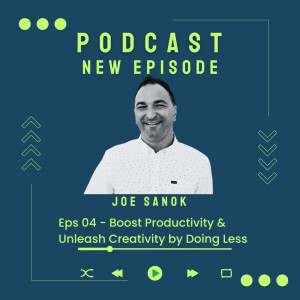
Join our NewsletterJoin our WWP Facebook groupFree Workshops and WorksheetsIn this episode, Laurie Groh, MS, LPC, SAS, interviews Joe Sanok, a mental health therapist and host of the Practice of the Practice podcast. They discuss the importance of slowing down and the benefits of a shorter work week. Joe shares insights on changing the mindset of overworking and the history of the 40-hour work week. He also introduces the concept of the plus one minus one exercise, which encourages individuals to add something positive to their weekends while removing something that doesn't serve them. The conversation emphasizes the need to prioritize well-being and find a balance between work and personal life.TakeawaysSlowing down and taking time for oneself is essential for overall well-being.The 40-hour work week is not a fixed standard and can be reevaluated to suit individual needs and productivity better.Adding positive activities to weekends and removing unnecessary tasks can lead to a more fulfilling and stimulating time off.Guilt and the pressure to do more can be counterproductive, and it's essential to let go of unrealistic expectations and focus on what truly matters.Chapters00:00 Introduction and Special Guest01:20 The Influence of Virtual Mentors02:1 1 Midwest Culture and Sports Rivalries03:14 The Importance of Slowing Down05:32 Changing the Mindset of Overworking08:47 The History of the 40-Hour Work Week13:26 The Benefits of a 32-Hour Work Week17:43 Slowing Down for the Average Person20:48 The Plus One Minus One Exercise25:20 Taking Inaction and Letting Go of Guilt26:54 ConclusionJoe Sanok’s New Book:Thursday is the New FridayThis episode is brought to you by:Shoreside Therapies : Free 15-minute consult. Book a therapy appointment conveniently online and get into therapy within a week!Blinkist: Learning something new daily is a fantastic practice. 40% off for a limited time. Blinkist is a revolutionary app that distills the key insights from thousands of non-fiction books into bite-sized, 15-minute reads or listens. Perfect for busy professionals or curious minds, Blinkist helps you stay informed and inspired without the time commitment of reading full books.Headspace: 14 days free with this link. Headspace is a leading app for mindfulness and meditation, offering guided sessions, sleep aids, and stress-reducing techniques. Designed to fit seamlessly into your daily routine, Headspace empowers you to find calm, focus, and balance in today’s fast-paced world.Chilly GOAT Cold Tub : Chilly GOAT Cold Tubs provide a refreshing and effective way to enhance recovery and improve overall health. Perfect for athletes or anyone looking to boost circulation and reduce inflammation, these cold tubs bring the power of hydrotherapy to your home.Laurie's Top 5 Recommended Books on Habits: The Power of Habit Atomic Habits The One Thing ($1.79 for a limited time) The 7 Habits of Highly Effective People Tiny Habits: The Small Changes That Change Everything (Free with Kindle Unlimited)To Connect with Joe Sanok:InstagramLinkedinFacebook
Wednesday Jan 24, 2024
Wednesday Jan 24, 2024
Join our NewsletterJoin our WWP Facebook groupFree Workshops and WorksheetsIn this workshop-style conversation, Laurie Groh, MS, LPC, SAS, discusses habits and provides insights on creating and maintaining them. She explores the concept of keystone habits and their impact on overall behavior. Laurie emphasizes the importance of sleep and its effects on mood, cravings, and overall well-being. She shares principles from the book Atomic Habits and highlights the power of small, manageable actions. Laurie also discusses motivation, willpower, and strategies to overcome resistance and obstacles. She encourages listeners to be gentle and compassionate with themselves on their journey of habit.TakeawaysKeystone habits have a disproportionate impact on overall behavior and can make other habits easier to form.Sleep plays a crucial role in mood, cravings, and overall well-being. Prioritizing sleep can have a positive impact on various aspects of life.Focusing on small, manageable actions can lead to long-term habit formation and significant results.Motivation alone is not enough to sustain habits. Pairing habits with pleasurable activities and creating positive feedback loops can increase motivation.Willpower is not a reliable tool for habit formation. Instead, use strategies and tricks to make habits easier and more enjoyable.Overcoming resistance and obstacles is essential for habit formation. Changing language, linking habits to pleasurable activities, and reducing friction can help overcome challenges.Being gentle and compassionate with oneself is crucial on the habit journey. Celebrate small wins and acknowledge the effort put into forming new habits.Chapters00:00 Introduction and Workshop Format01:30 Keystone Habits03:26 The Impact of Sleep06:17 Creating Keystone Habits07:47 Principles from Atomic Habits08:46 Duration to Solidify a Habit09:45 Small Actions with Big Impact10:43 The Power of Small Changes11:22 Motivation and Rewards12:18 The Role of Willpower15:07 Overcoming Resistance and Obstacles20:17 The Science of Motivation22:43 Exploring Willpower25:08 Being Gentle and Compassionate27:35 ConclusionSponsors:Blinkist: Learning something new daily is a fantastic practice. 40% off for a limited time.Headspace: 14 days free with this link.Shoreside Therapies : Free 15-minute consult. Book a therapy appointment conveniently online and get into therapy within a week!Laurie's Top 5 Recommended Books on Habits: The Power of Habit Atomic Habits The One Thing ($1.79 for a limited time) The 7 Habits of Highly Effective People Tiny Habits: The Small Changes That Change Everything (Free with Kindle Unlimited)
Wednesday Jan 24, 2024
Wednesday Jan 24, 2024
In this episode of the Wisconsin Wellness Podcast, host Laurie Groh, MS, LPC, SAS shares 10 habit hacks to help listeners create and maintain healthy habits. The hacks include:Starting tiny and staying consistent.Using cues to trigger habits.Rewiring with rewards.Turning habits into rituals.Finding a buddy for accountability.Tracking progress.Leveraging the domino effect.Optimizing the environment.Using time blocking.Celebrating failure as a learning opportunity.TakeawaysStart with small, consistent habits to build momentum.Use cues and associations to trigger habits.Reward yourself for completing habits.Turn habits into daily rituals for consistency.Find an accountability partner or join a group.Track your progress to stay motivated.Leverage the domino effect to build a chain of habits.Optimize your environment to support your habits.Use time blocking to prioritize and schedule habits.Celebrate failure as a learning opportunity.Chapters00:00 Introduction01:40 Hack 1: Start Tiny and Stay Consistent04:22 Hack 2: Cue the Habit Symphony06:11 Hack 3: Rewire with Rewards07:26 Hack 4: The Power of Rituals08:15 Hack 5: Buddy System09:07 Hack 6: Track and Attack10:29 Hack 7: The Domino Effect11:38 Hack 8: Hack Your Environment13:37 Hack 9: Time-Blocking Tactic14:41 Hack 10: Celebrate Failure17:35 ConclusionBlinkist: Learning something new daily is a fantastic practice. 40% off for a limited time.Shoreside Therapies : Free 15-minute consult. Book a therapy appointment conveniently online and get into therapy within a week!Laurie's Top 5 Recommended Books on Habits:The Power of HabitAtomic HabitsThe One Thing ($1.79 for a limited time)The 7 Habits of Highly Effective PeopleTiny Habits: The Small Changes That Change Everything (Free with Kindle Unlimited)
Wednesday Jan 24, 2024
Wednesday Jan 24, 2024
Shoreside Therapies : Book an online therapy appointment and get into therapy within a week! Free 15-minute consults with one (or more) of our therapists.In this workshop-like podcast,Laurie Groh, MS, LPC, SAS discusses the power of tiny habits and how they impact our lives. She explains that habits are automatic systems that allow us to perform tasks without conscious thought. Laurie explores the science of habits and the habit loop, which consists of a cue, craving, response, and reward. She emphasizes the importance of becoming aware of our habit loops and offers strategies to disrupt them. Laurie also suggests eliminating unnecessary decisions to conserve mental energy. Finally, she provides alternative exchanges for coffee and encourages listeners to create better habits.TakeawaysHabits are automatic systems that allow us to perform tasks without conscious thought.Becoming aware of our habit loops is crucial for creating positive change.Eliminating unnecessary decisions can conserve mental energy.Alternative exchanges for coffee include tea, cold showers, and exercise. But Laurie is probably keeping coffee in the mix!Chapters00:00 Introduction to Habits01:09 Understanding the Science of Habits09:46 Eliminating Unnecessary Decisions10:15 The Habit Loop13:59 Disrupting the Cue15:40 Disrupting the Craving18:59 Disrupting the Response19:28 Disrupting the Reward22:55 Alternative Exchanges for Coffee23:24 Conclusion and Action StepsSponsors:Shoreside Therapies : Book an online therapy appointment and get into therapy within a week! Shoreside Therapies offers compassionate, client-focused counseling for individuals, couples, and families. With expertise in mood disorders, life transitions, grief, trauma, and maternal mental health, their dedicated therapists provide a safe space to support your journey toward meaningful change and personal growth.Join our NewsletterJoin our WWP Facebook groupLaurie's Top 5 Recommended Books on Habits: The Power of Habit Atomic Habits The One Thing ($1.79 for a limited time) The 7 Habits of Highly Effective People Tiny Habits: The Small Changes That Change Everything (Free with Kindle Unlimited)
Wednesday Jan 17, 2024
Wednesday Jan 17, 2024
The podcast aims to provide expert insights to elevate the wellness journey.
Each month, Laurie selects a specific wellness topic to dissect. In a world saturated with information, Laurie understands the overwhelming task of navigating all aspects of well-being.
The Wisconsin Wellness Podcast aims to simplify the process by zeroing in on one topic at a time. The goal is to feel better about yourself while continuing to grow, but without succumbing to the new pressure of overwhelming wellness demands.
Join our Newsletter
Join our WWP Facebook group
Free Workshops and Worksheets